

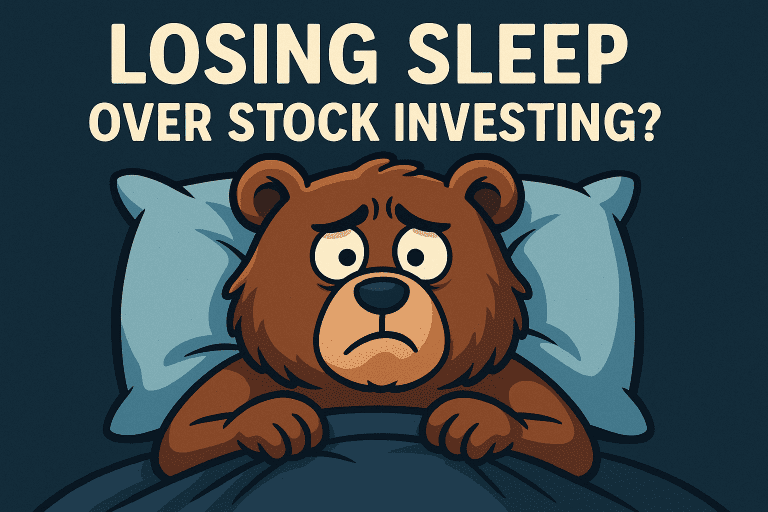
Losing money in the stock market feels like getting punched in the gut. It doesn’t matter if it’s your first portfolio dip or your fiftieth—when your investments are bleeding red, your brain starts asking uncomfortable questions. Should I sell now before it gets worse? Should I hold and hope it rebounds? Should I double down and buy more?
Every investor eventually faces this moment. What separates those who recover from those who spiral is not luck—it’s mindset, strategy, and self-awareness.
Let’s talk about what to do when your investments are underwater. This isn’t about toxic positivity or “diamond hands” mantras. It’s about dealing with loss realistically—and coming out stronger on the other side.
Step One: Stop the Emotional Spiral
The moment you realize you’re down—whether it’s 10%, 30%, or more—your emotions kick in. Regret, fear, denial. You start obsessing over what you should have done. Maybe you beat yourself up for not selling earlier. Maybe you start doom-scrolling Reddit or reading bearish headlines.
This is normal. But it’s also dangerous. Emotional investing is the fastest way to turn a paper loss into a permanent one.
You need space to think. That means logging out of your brokerage app for a day or two. Take a breath. Step back. The worst time to make financial decisions is when your nervous system is in fight-or-flight mode.
Knowing When to Cut Your Losses
Let’s face it—sometimes the best move is to pull the plug. Holding onto a losing investment just because you don’t want to “lock in a loss” is not a strategy. It’s denial.
A good rule of thumb: if you wouldn’t buy the stock today at its current price, why are you holding it?
That doesn’t mean every dip is a sell signal. But it does mean re-evaluating the fundamentals. Has the company changed? Is it losing its competitive edge? Has management lost credibility? Or are you just impatient?
If the investment thesis is broken—or if you now realize you never had one—it’s okay to walk away. You’re not admitting defeat. You’re regaining control.
Sometimes cutting a loss is the smartest thing you can do. Not just for your portfolio, but for your peace of mind.
How to Hold With Conviction (The Right Way)
On the flip side, not every loss means you made a mistake.
If you’ve done your research, understand the business, and believe in its long-term prospects, a downturn can be an opportunity, not a disaster.
This is where conviction comes in. Conviction doesn’t mean blindly holding or “hodling” forever. It means having a reasoned belief that the market is mispricing the stock—and the patience to wait for reality to catch up.
Ask yourself: Has anything fundamental changed about the company’s future? Is the dip caused by broader macro trends, or something company-specific? Is this short-term pain or long-term damage?
If the fundamentals are intact, this might be the time to double down—not back out.
When to Use Dollar-Cost Averaging (DCA)
Dollar-cost averaging can be a powerful tool in your recovery plan. Instead of going all-in on a rebound or trying to time the bottom, you commit to investing consistently over time—regardless of where the stock price is.
This spreads out your entry points, reduces emotional timing decisions, and keeps you engaged with your investing plan.
But DCA only works if you’re adding to a stock that still deserves your capital. Don’t DCA into a doomed investment just because it’s cheaper. Use it as a strategy to build conviction-backed positions—not to rescue every loser in your portfolio.
If the fundamentals support the company and the long-term story still makes sense, DCA can turn temporary volatility into future reward.
The Role of Portfolio Allocation
A loss hurts more when it dominates your portfolio. If you have 40% of your net worth tied up in one collapsing stock, it’s not just a position—it’s a threat to your financial future.
One way to minimize damage is to avoid over-concentration in the first place. A healthy portfolio means no single position has the power to derail your long-term goals. The loss of one tree shouldn’t destroy the whole forest.
If you’ve already over-allocated, this is a wake-up call. Going forward, use exposure limits. Diversify by sector, size, geography, and industry. Make sure no single investment has too much emotional or financial weight.
Learning the Right Lessons
Every loss is a lesson—but only if you take time to reflect. The key is asking yourself the right questions:
Did I buy this stock based on hype or fundamentals?
Did I understand the risks going in?
Was I too reactive to short-term moves?
Did I ignore signs that the thesis had changed?
Be honest, but not harsh. Mistakes are inevitable in investing. Even the best investors in the world lose money. What sets them apart is their ability to adapt without quitting.
When to Do Nothing
Sometimes, the best move is… nothing.
If you’ve already reassessed your strategy, reviewed the fundamentals, and still believe in the investment—there’s no need to act immediately. Knee-jerk reactions often do more harm than good.
Markets are volatile. That’s the price of admission. But time is your ally if you’re investing in quality businesses. You don’t always need to act. You just need to stick to your plan—and remember why you started in the first place.
Final Thoughts: Losses Don’t Define You
Every investor has a graveyard of bad trades and painful lessons. It’s part of the journey. The important thing is what you do next.
Don’t let a temporary loss create permanent damage to your mindset. Learn from it. Adjust. And move forward with clarity.
Sometimes that means cutting the cord. Sometimes it means holding on. And sometimes, it means buying more—slowly, deliberately, with conviction.
What matters most isn’t what the market did to your portfolio. It’s how you respond.
Keep learning: courses on this topic
Self-paced courses to put this article into practice.
 Udemy
How to Invest in Stocks, Mutual Funds & ETFs for Beginners
Are you ready to take charge of your own investment accounts? Make informed decisions about how to manage your money and let it work for…
View course
 Udemy
How To Invest In Stocks In 15 Minutes?
This is for anyone who wants a quick lesson on stocks and want to start trading stocks today—Within 15 minutes. This beginner guide will…
View course
 Udemy
Personal Finance 101: Budget, Save & Invest
Do you ever feel like you’re working hard but not getting ahead? Do you get to the end of the month and wonder where all your money went?…
View course

Leave a Comment