Chase Freedom Unlimited®
Chase · Visa
Best Credit Cards
Choosing the best credit card in 2026 is less about chasing the highest advertised rewards and more about finding a card that truly matches how you spend. Cash back cards have become more competitive, travel cards are more credit-score sensitive, and bonus categories matter more than ever.
This guide compares some of the best credit cards in the United States for 2026, with an emphasis on everyday value, fees, and real-world usability. Each card includes a clear breakdown of rewards, pros and cons, and an AI-powered opinion to help you understand when a card makes sense—and when it doesn’t.
Cards were selected based on a mix of rewards structure, annual fees, issuer reputation, and how well they fit common spending patterns like groceries, gas, dining, and online purchases. We focus on consumer-friendly details instead of fine print, so you can quickly shortlist a few options and then confirm the latest terms on the issuer’s site.
We try to keep this page updated, but offers can change at any time. Always confirm the latest terms on the issuer’s website before applying.
Chase · Visa
Bank of America · Visa
American Express · American Express
Citi · Mastercard
Discover · Discover
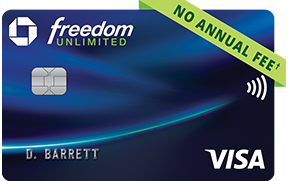
Chase · Visa
Welcome offer varies. Check the issuer page for the current bonus and intro APR terms.
Rewards at a glance: Earn elevated cash back on travel booked through Chase Travel℠ plus bonus cash back on dining and drugstores, and a flat rate on everything else.
Pros
Cons
Bear’s AI take Experimental
The Chase Freedom Unlimited® is one of the easiest cards to recommend because it works well both on its own and as part of a larger Chase setup. On the surface, it is a strong everyday cash-back card with no annual fee. But its real strength shows up if you later add a Chase Sapphire card, where your cash back can be converted into higher-value travel rewards. If you want a no-stress card today that still keeps the door open for more advanced travel redemptions later, this is a very flexible long-term choice.
This guidance is generated by AI and is for education only. It’s not financial advice—always review the card’s official terms and your own situation.
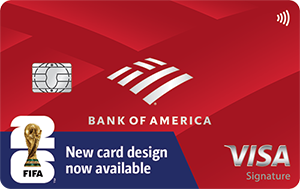
Bank of America · Visa
Welcome offer varies. Check the issuer page for the current bonus and intro APR terms.
Rewards at a glance: Pick a 3% category, earn 2% at grocery stores and wholesale clubs, with a quarterly cap on combined bonus-category spending.
Pros
Cons
Bear’s AI take Experimental
The Bank of America® Customized Cash Rewards card stands out for people whose spending is predictable and category-driven. Being able to choose your 3% category gives you control, especially if most of your budget goes toward gas, online shopping, dining, or travel. This card becomes significantly more powerful if you qualify for Bank of America Preferred Rewards, where the effective cash-back rate can increase substantially. If you already bank or invest with Bank of America, this card fits naturally into that ecosystem.
This guidance is generated by AI and is for education only. It’s not financial advice—always review the card’s official terms and your own situation.
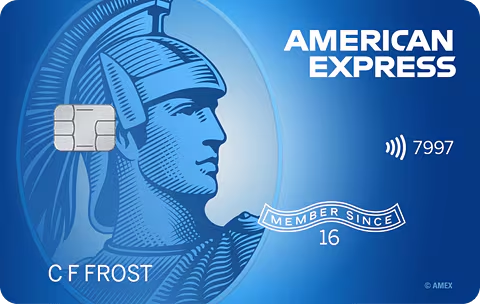
American Express · American Express
Welcome offer varies. Check the issuer page for the current statement credit and intro APR terms.
Rewards at a glance: Earn 3% cash back at U.S. supermarkets, gas stations, and online retail purchases (each with annual caps), then 1%.
Pros
Cons
Bear’s AI take Experimental
The Blue Cash Everyday® Card from American Express is a strong choice for households that want solid rewards without paying an annual fee. Its strength lies in covering multiple everyday categories that many families spend on consistently, such as groceries, gas, and online shopping. While the bonus categories are capped, the card still works well as a low-maintenance cash-back option. If you value simplicity, statement credit redemptions, and Amex’s customer experience, this card delivers steady value without complexity.
This guidance is generated by AI and is for education only. It’s not financial advice—always review the card’s official terms and your own situation.
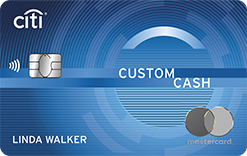
Citi · Mastercard
Welcome offer varies. Check the issuer page for the current bonus and intro APR terms.
Rewards at a glance: Automatically earn 5% cash back on your top eligible category each billing cycle (up to a cap).
Pros
Cons
Bear’s AI take Experimental
The Citi® Custom Cash Card is best viewed as a precision tool rather than an all-in-one solution. It shines when you intentionally use it for a single dominant spending category, such as groceries or dining, and let Citi automatically apply the top rate for you. There is no need to track rotating calendars or enroll in categories, which makes it easy to use correctly. As long as your spending stays within the monthly cap, this card can quietly deliver some of the highest no-fee cash-back returns available.
This guidance is generated by AI and is for education only. It’s not financial advice—always review the card’s official terms and your own situation.
Discover · Discover
Discover will match all the cash back you earn in your first year.
Rewards at a glance: Earn 5% cash back on rotating quarterly categories when activated, plus 1% on everything else.
Pros
Cons
Bear’s AI take Experimental
The Discover it® Cash Back card is particularly compelling in the first year, thanks to Cashback Match, which effectively doubles everything you earn. It works best for people who are willing to activate quarterly categories and adjust their spending to match them. Over time, its value depends on how well those rotating categories align with your habits. If you enjoy optimizing rewards and want a no-annual-fee card with strong upside, this is one of the most rewarding options available.
This guidance is generated by AI and is for education only. It’s not financial advice—always review the card’s official terms and your own situation.
Start by looking at your biggest recurring expenses. If groceries, gas, and online shopping dominate your budget, a no-annual-fee cash back card with bonus categories often delivers the most value with the least effort. If you travel a few times a year and are comfortable managing points and loyalty programs, a rewards card that earns flexible points can offer better upside.
Next, be honest about how much complexity you want. Rotating bonus categories, transfer partners, and limited-time offers can be powerful, but they only help if you actually use them. A simpler flat-rate or everyday rewards card usually wins for people who prefer “set it and forget it” rewards.
Finally, treat annual fees as a math problem, not a mystery. An annual fee can be worth it if you can clearly point to benefits, credits, or higher rewards that exceed the cost each year. If you can’t explain how you’ll recover the fee, a straightforward no-fee card is usually the safer, less stressful choice.
Tap a question to reveal a short, practical answer before you apply.
Compare up to 3 cards
Tap cards above to add them here, then open full comparison.