

We go to school to learn algebra, the periodic table, and Shakespearean sonnets. These things all have their uses, but how many of us graduate without any clue about how to budget, save, invest, or file our taxes? There’s a disconnect, and it’s right there in the curriculum. It’s about time personal finance is taught as a core subject at school, alongside math and science. In fact, I think it’s more important. Here’s why.
The Pervasive Role of Money in Life
From day one of graduation, money touches every area of life. The decision to rent or buy a house, the challenge of paying off student loans, the tradeoffs of which job to take, whether to have children and so on. All of these are money-influenced.
But without education, most young adults learn about money through trial and error. As anyone who has ever overdrawn their bank account or forgotten to pay a bill knows, financial mistakes are both expensive and long-lasting. According to a survey by the National Financial Educators Council, the average American lost $1,015 in 2024 due to lack of financial literacy. Now multiply that by tens of millions of American households to grasp the scale of the problem.
If schools taught financial literacy, new adults could enter the world already armed with knowledge and skills for making informed decisions about savings, debt, and long-term financial planning.
Credit Cards and Debt Traps Are Waiting at College Doors
College students already face steep tuition bills before they even graduate. Then, the credit card companies are waiting with open arms: “Get approved instantly!” “Free gifts when you sign up!” The fine print? Unbelievably high-interest rates which can be crippling.
Without a fundamental understanding of how interest works and compounds over time, young adults are easy prey for credit card debt before they even get their first job. The average U.S. credit card interest rate right now is above 20% APR. Keep just $1,000 on your card at that rate and it can balloon into thousands in a few years if you make just the minimum payments each month.
If students were taught how to manage credit in school and understand the basics of avoiding high-interest debt traps, they’d be far less likely to take on that student loan only to saddle themselves with a crippling card balance which would take decades to pay off. If only that 18-year-old knew carrying a balance could cost thousands of dollars in extra interest and make their dream of buying a car or house years later, they’d likely think twice before swiping.
Building Good Money Habits from the Start
Budgeting, saving, and investing are not just one-time activities. They are lifelong practices that, when started early, pay big dividends. Just like eating right or exercising regularly, money habits are best formed from a young age.
Schools are the ideal setting to instill these habits. Students could graduate already knowing:
- How to set up a simple monthly budget which balances wants vs. needs.
- Compound interest calculators and how to use them for long-term savings goals.
- The difference between good debt (mortgages, student loans) vs. bad debt (payday loans, credit cards).
For example, let’s say an 18-year-old started investing $100/month in an index fund with an 8% annual return. If they left it untouched until age 65, they’d have over $450,000 in savings. That’s the power of starting early. But to start early, you have to be aware of the options and tools available.
Helping Bridge the Wealth Gap
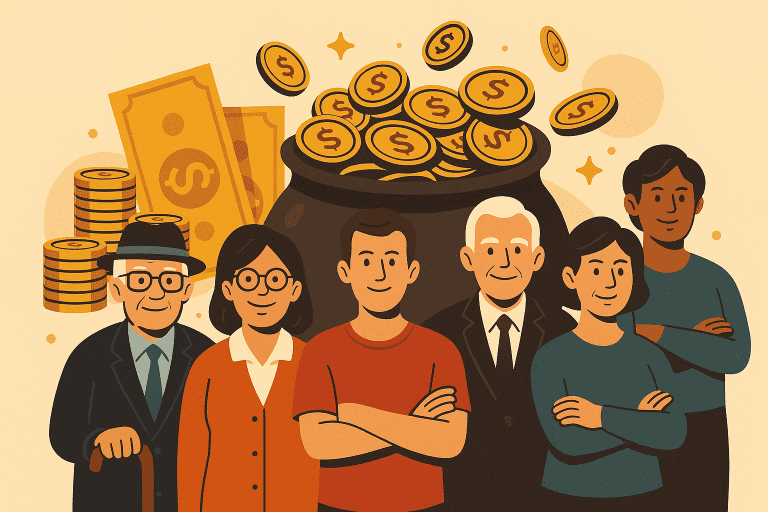
Financial literacy is not distributed evenly. Students from affluent households may learn from parents at an early age, but those from lower socioeconomic backgrounds often have no exposure to these topics. By making personal finance education standard in schools, we can help bridge this knowledge gap.
Students from all backgrounds could graduate with at least a baseline understanding of money management. Over time, this could help close the wealth inequality gap by giving more people the opportunity to build stable financial futures.
Countries around the world have begun introducing financial literacy programs in their schools. Early evidence suggests students who complete these courses are less likely to engage in risky financial behaviors like using high-interest payday loans. It’s not a panacea, but it’s a promising start. If we want to see generational improvement in financial health, it must start at the educational level.
Teaching Money Skills With Immediate Application
Students often ask teachers, “When will I ever use this?” while learning trigonometry or poetry analysis. When it comes to personal finance, they’d have an easy answer:
- Budgeting applies to their first part-time job paycheck.
- Tax lessons apply as soon as they start earning an income.
- Compound interest means they need to start retirement savings early.
Something as simple as teaching students how to compare mobile phone contracts or avoid scams has a direct impact on their lives. Personal finance isn’t abstract like geometry or foreign language, it’s immediate and practical.
Preparing for an Uncertain World
Job security is a thing of the past for many young people. The gig economy is on the rise, and technology is rapidly reshaping industries. In such a world, being financially resilient is more important than ever.
A school curriculum that prepares students to diversify income, manage risk, and build emergency savings not just for today, but for an uncertain tomorrow. Consider the recent example of the pandemic. Millions were suddenly without steady paychecks, yet those with an emergency fund or two had the breathing room to get by. If schools taught every single graduate to save three to six months of expenses, there would have been fewer families suffering to stay afloat.
Reducing Financial Stress for the Next Generation
Let’s not forget the emotional side of money. Financial stress is a leading cause of anxiety in adults. Constant worries about bills, debt, and unexpected expenses have a huge impact on mental health and even relationships.
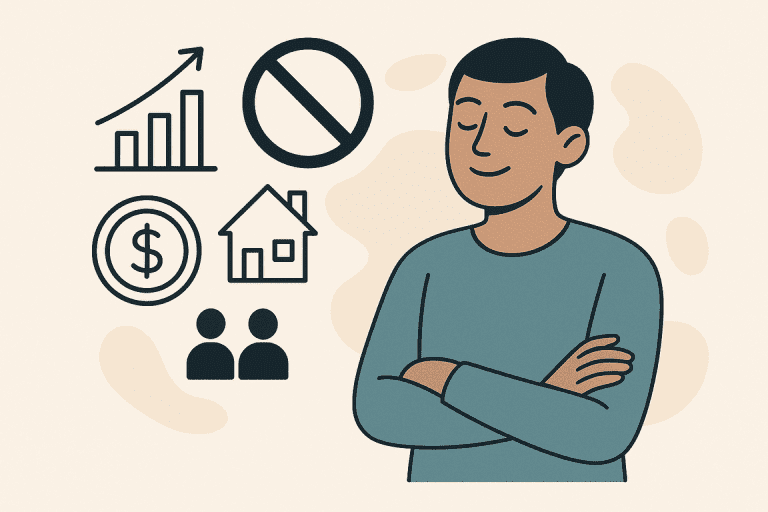
Teaching personal finance at school can help break that cycle. By normalizing discussions about money and empowering students with knowledge, we can help them gain confidence instead of fear. They learn that money is not some taboo subject, but a tool to be managed wisely. With greater financial confidence, they’ll be less stressed and more likely to make healthier lifestyle choices.
An Ideal Personal Finance Curriculum
A solid curriculum doesn’t have to be overwhelming. Imagine what it could cover:
- Budgeting & Saving: Tracking expenses, setting goals, building an emergency fund.
- Credit & Loans: Credit scores, interest rates, loans, and how to borrow responsibly.
- Investing Basics: Risk/reward, compound interest, and understanding stocks/bonds/index funds.
- Taxes & Insurance: How taxes work, filing basics, and insurance types (health, auto, life).
- Consumer Awareness: Spotting scams, understanding contracts, and smart shopping.
- Entrepreneurship: Running small ventures, digital side hustles, financial independence basics.
Just one semester on personal finance basics in school could make a life-changing difference to student preparedness for financial independence. Imagine graduating high school knowing exactly how to invest your first paycheck instead of blowing it or stuffing it under a mattress!
Debunking Arguments Against Teaching Personal Finance in Schools
Some critics argue personal finance is “too practical” for schools. Others say it’s the responsibility of parents. Let’s bust these myths.
First, the reality is many parents are poor financial educators themselves. They too never learned about money in school, or anywhere else. Expecting them to teach what they themselves never learned is unrealistic. Schools teach health education, civics, driver’s ed—so why not money management, which every single person in the country needs to know?
Another argument is that financial systems change over time, making the taught material outdated. While that’s partly true, the fundamentals of budgeting, saving, and investing have remained remarkably stable for decades. Teaching students these core principles gives them a foundation they can adapt over time.
Closing Thoughts
The absence of financial education in schools has left too many young people vulnerable to debt, poor money habits, and crippling financial stress. It’s high time we introduce personal finance in schools as a core subject curricula, and equip future generations with the skills they use every day of their lives.
It’s time we treated financial literacy like the essential knowledge it is, rather than something optional or “nice to have.” The truth is simple: Money touches the life of every single person on the planet. Every single person deserves to know how to manage it.
Keep learning: courses on this topic
Self-paced courses to put this article into practice.
 Udemy
Complete Personal Finance Course: Earn, Save and Invest
A self-paced video course on budgeting, saving and investing, with practical lessons you can apply right away.
View course
 Udemy
Invest Like a Pro: Your First Steps in Wealth Creation
A self-paced video course on budgeting, saving and investing and investing basics, with practical lessons you can apply right away.
View course
 Udemy
The Path to Financial Freedom – Master Money, Saving, Invest
A self-paced video course on budgeting, saving and investing, with practical lessons you can apply right away.
View course


Leave a Comment