
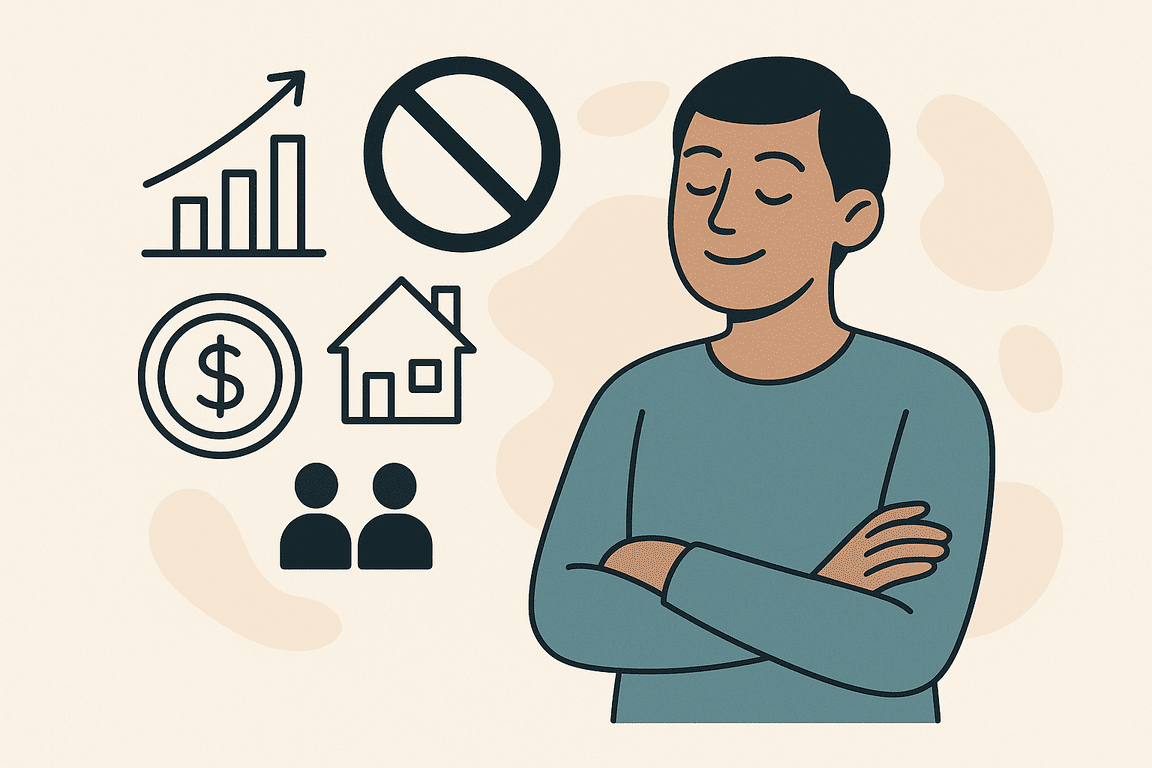
It’s human nature to compare. Since the beginning of time, humans have been looking sideways to figure out how they stack up in a tribe. Today, that manifests as social media envy, small talk with friends, and quiet judging of colleagues who live “better” lifestyles. Comparison is a mental shortcut your brain takes to figure out if you’re doing okay or falling behind.
The shortcut is very flawed. Everyone has a different starting point, different responsibilities, different luck, and different goals. Trying to compare two financial lives is like comparing two books by flipping to random pages and pretending you understand the whole story.
The Hidden Costs of Wealth Comparison
Whenever you compare your finances to someone else’s, you add unnecessary pressure on yourself. It might start as mild jealousy or insecurity. But it quickly turns into making financial decisions in haste. You take on more risk than necessary. You chase returns that are not aligned with your risk tolerance. You buy stuff you don’t need to signal “success” instead of choosing things that make your life better.
This silent pressure is a mental tax on you. It robs you of satisfaction from your achievements. It also can harm friendships because financial jealousy slowly morphs into resentment. When you compare, you give away emotional power to someone who may not even know they are in a competition with you.
You Only See the Surface
No one shows the messy details and only the highlight reel. The friend buying a fancy new car may be drowning in debt. The colleague who invests aggressively may have family wealth on standby. The relative who seems “high flying” may be silently struggling with a mortgage or a caregiving burden.
When you compare the fullness of your life to someone else’s curated snapshot, you are always at a disadvantage. You are putting your real world up against someone else’s filtered world.
The truth is most people who seem financially better off than you are simply prioritising differently or taking different risks. You do not know what safety nets they have. You do not know the liabilities or even long-term plans. Comparison without context will always make you feel behind even if you are doing fine.
Your Financial Goals Are Not Theirs
Comparison is bad for finances because it distracts you from your own journey. Your goals should be a reflection of your values and circumstances. Maybe you prioritise stability over extreme growth. Maybe you care more about family time than reaching the next income bracket. Maybe you want to build passive income steadily instead of going for high-risk bets.
Personal finance is personal. As soon as you start to make decisions to keep up with someone else, you give up the power to intentionally design your life. It turns into a reaction instead of a plan.
The Only Comparison That Matters: Yesterday You vs Today You
Healthy financial comparison only happens with yourself. Are you improving your savings? Are you investing more regularly than last year? Are you less stressed about money than before? This type of comparison is useful and leads to progress and less anxiety.
Building personal wealth is a marathon. When you track your own improvements, the small wins feel meaningful. The slow progress feels rewarding. Consistent habits feel good. When you track the right things, you feel in control instead of always falling behind.
How to Stop Comparing Your Wealth to Others
To stop comparing, you need to build some good habits that help you keep your focus on your journey.
Track Your Own Metrics
Wealth comparison mostly happens when people do not track their own finances. When you are clear on your income, expenses, net worth, and investments, you have less attention available to look outside your own world. Use savings trackers, investment dashboards, or a net worth log to shift your focus.
Understand Everyone Has Trade-offs
A friend may have a bigger house but no freedom because of a large mortgage. Someone else may have a very high salary but be extremely burnt out. There are always trade-offs in money: people trade money for time, comfort, health, or opportunity. No one has everything at once. Once you understand the trade-offs, comparison loses its power.
Practice Gratitude For What You Have
There are likely many areas of your financial life that others would kill to have. Maybe you have a supportive family. Maybe you have a stable job or good health. Maybe you have the opportunity to start investing early. Cultivate gratitude but do not confuse it with not striving. Instead, let gratitude build your foundation of contentment.
Set Your Own Targets
Instead of copying your friends’ financial milestones, set your own based on your values. Maybe that means a level of passive income that covers all your needs. It could be being debt-free or hitting a specific savings rate. Maybe it’s just having a plan to retire 5 years earlier. When you have your own roadmap, other people’s achievements stop being distractions.
Reduce Social Media Triggers
Social media is where a lot of modern comparison happens. You see the holidays, cars, new houses, and “success stories” without seeing the debt, sacrifices, and stress behind them. Find ways to reduce these triggers and give yourself more mental space to be in your own journey.
Talk About Money Honestly
Healthy conversations about money with trusted friends will often reveal unseen struggles that others are facing. It also reveals that people value different things. You start to realise no one has a perfect financial life.
Learn to Celebrate Others without Comparing
You can learn to admire someone’s success without it defining you. When a friend is killing it financially, you can celebrate their success. When you learn to let go of envy, you free up emotional energy and your friendships.
Money is not a competition. It is a personal journey full of choices, time, and consistency.
The Real Goal: A Peaceful Relationship with Money
Wealth is more than just numbers. Real wealth is not living with anxiety about money. It is having enough freedom to make decisions based on values not fear. It is enjoying what you have built without constantly chasing others’ stuff.
When you stop comparing your wealth to others, you open up mental space for clarity, discipline, and long-term happiness. You start to define success on your own terms. You start making financial decisions that fit your personality, lifestyle, and dreams.
And most importantly, you start feeling proud of how far you have already come.





Leave a Comment