

Saving money from your salary is a fundamental aspect of personal finance management. Whether you’re saving for a big purchase, building an emergency fund, or planning for retirement, effective saving strategies can help you achieve your financial goals. In this comprehensive guide, we’ll explore various techniques and tips to help you save money from your salary.
1. Understand Your Income and Expenses
Assess Your Monthly Income
The first step in saving money is to understand exactly how much you earn. This includes your base salary, bonuses, and any other sources of income. Knowing your total income will give you a clear picture of what you have to work with.
Track Your Expenses
Tracking your expenses is crucial. Create a detailed list of your monthly expenses, including rent/mortgage, utilities, groceries, transportation, and entertainment. Use tools like spreadsheets, budgeting apps, or even a simple notebook to record every expense.
2. Create a Budget
Set Financial Goals
Define your financial goals. Whether it’s buying a house, traveling, or building a retirement fund, having clear goals will motivate you to save. Break these goals into short-term, medium-term, and long-term categories.
Develop a Budget Plan
Create a budget that aligns with your financial goals. Allocate portions of your income to different categories: essentials (rent, utilities), savings, investments, and discretionary spending. Stick to this budget as closely as possible.
3. Pay Yourself First
Automate Savings
One of the most effective ways to save money is to pay yourself first. Set up an automatic transfer from your checking account to your savings account each payday. This ensures that a portion of your income is saved before you have a chance to spend it.
4. Reduce Unnecessary Expenses
Identify and Cut Down on Non-Essential Spending
Review your expenses and identify areas where you can cut back. This might include dining out less often, canceling unused subscriptions, or finding cheaper alternatives for services you regularly use.
Practice Mindful Spending
Be mindful of your spending habits. Before making a purchase, ask yourself if it’s a need or a want. This simple practice can help you avoid impulse buying and save more money.
5. Use the 50/30/20 Rule
Breakdown of the Rule
The 50/30/20 rule is a popular budgeting method that allocates 50% of your income to needs, 30% to wants, and 20% to savings and debt repayment. This rule provides a balanced approach to managing your finances.
Implement the Rule
Apply the 50/30/20 rule to your budget. If your expenses in one category exceed the recommended percentage, adjust your spending accordingly. This can help you maintain financial stability and increase your savings.
6. Increase Your Income
Pursue Additional Income Streams
If your current salary isn’t enough to meet your savings goals, consider finding additional sources of income. This could include freelancing, part-time jobs, or starting a side business.
Negotiate Your Salary
Don’t be afraid to negotiate your salary with your employer. Research industry standards, prepare a strong case highlighting your achievements, and approach your employer with a request for a raise.
7. Take Advantage of Employee Benefits
Employer-Sponsored Retirement Plans
Many employers offer retirement savings plans like 401(k)s or IRAs with matching contributions. Take full advantage of these benefits as they can significantly boost your savings.
Health Savings Accounts (HSAs)
If your employer offers an HSA, consider contributing to it. HSAs offer tax advantages and can be used for medical expenses, reducing your overall financial burden.
8. Save on Housing Costs
Evaluate Housing Options
Housing is typically one of the largest expenses. Consider your living arrangements and explore ways to reduce costs. This might include finding a roommate, moving to a less expensive area, or negotiating your rent.
Consider Homeownership
If you’re in a stable financial position, buying a home can be a long-term saving strategy. Over time, homeownership can be more cost-effective than renting and can build equity.
9. Smart Shopping Strategies
Plan Your Purchases
Plan your shopping trips and make a list of items you need. Stick to this list to avoid impulse buying. Additionally, look for sales, discounts, and use coupons to save money on purchases.
Buy in Bulk
Buying in bulk can save you money in the long run, especially for non-perishable items. Just ensure that you have adequate storage space and that you’re buying items you’ll actually use.
10. Invest Wisely
Start Investing Early
Investing is a powerful way to grow your wealth. The earlier you start, the more time your money has to grow. Explore different investment options such as stocks, bonds, and mutual funds.
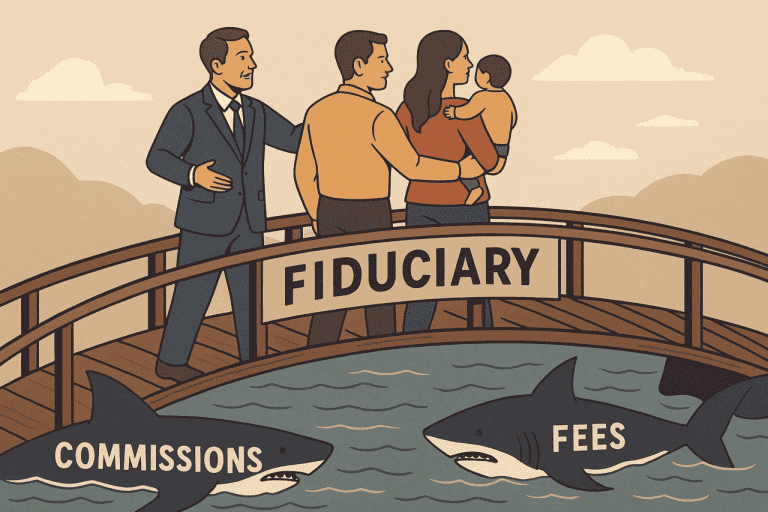
Seek Professional Advice
If you’re new to investing, consider seeking advice from a financial advisor. They can help you develop an investment strategy that aligns with your financial goals and risk tolerance.
Conclusion
Saving money from your salary requires discipline, planning, and smart financial decisions. By understanding your income and expenses, creating a budget, reducing unnecessary spending, and taking advantage of additional income opportunities, you can achieve your savings goals. Remember, every small step you take towards saving money brings you closer to financial freedom. Start saving with BearSavings savings tracker today and watch your savings grow!
Additional Tips
- Review and Adjust Your Budget Regularly: Your financial situation can change, so it’s important to review your budget periodically and make adjustments as needed.
- Stay Motivated: Keep your financial goals in mind and remind yourself why you’re saving. Celebrate small milestones to stay motivated.
- Educate Yourself: Continuously educate yourself about personal finance. Read books, follow financial blogs, and stay informed about best practices.
Keep learning: courses on this topic
Self-paced courses to put this article into practice.
 Udemy
Complete Personal Finance Course: Earn, Save and Invest
A self-paced video course on budgeting, saving and investing, with practical lessons you can apply right away.
View course
 Udemy
The Complete Personal Finance Course: Save, Budget & Invest
Take control of your money with a practical, step-by-step guide to personal finance, budgeting, saving, investing, debt management, and…
View course
 Udemy
From Welfare to Wealth: Earn Online & Invest Wisely
If you're living on a low income, receiving benefits, or stuck in survival mode — this course is for you.“Financial Independence on a Low…
View course



Leave a Comment