

Retiring at 60 is a dream for many—enough time to enjoy life, travel, and pursue passions without the daily grind. But it doesn’t happen by accident. It takes careful planning, smart financial habits, and a long-term commitment to your goals. Whether you’re in your 30s, 40s, or even early 50s, it’s not too late to chart a course toward early retirement.
In this guide, we’ll walk through everything you need to know about how to retire at 60, including savings goals, investment strategies, budgeting, healthcare planning, and practical lifestyle tips.
1. Define What Retirement Looks Like for You
Before diving into numbers, get clear about your vision. Retirement means different things to different people. Do you want to:
- Travel extensively?
- Downsize and live simply?
- Relocate to a lower-cost country?
- Start a small business or consult part-time?
Knowing what you want from retirement helps you estimate how much money you’ll need. If you plan to maintain a similar lifestyle, your retirement income should replace roughly 70-80% of your pre-retirement income.
2. Set a Clear Retirement Target
Let’s say you want to retire at 60 and estimate that you’ll need $50,000 per year for 25-30 years. That’s at least $1.25 million to $1.5 million (not accounting for inflation).
This number may sound intimidating, but once broken down, it becomes achievable with a consistent plan. Online retirement calculators can help tailor this figure based on your age, savings, expenses, and expected returns.
3. Maximize Retirement Savings Early
The earlier you start saving, the more time compound interest works in your favor. If you’re starting later, you’ll need to be more aggressive.
Here are some core strategies:
- Contribute to retirement accounts: Max out tax-advantaged accounts like a 401(k), IRA, or Roth IRA. In the U.S., those over 50 can make catch-up contributions.
- Automate savings: Set up automatic transfers into your investment accounts. Treat retirement savings like a recurring bill.
- Aim for a 15-25% savings rate: If you’re serious about retiring by 60, aim to save 15-25% of your income each year.
- Get employer matches: Don’t leave free money on the table. If your company offers a 401(k) match, contribute at least enough to get the full benefit.
4. Invest for Growth
Savings alone won’t get you to retirement. You need your money to grow. Investing in the stock market offers historically higher returns than savings accounts or bonds.
- Diversify your portfolio: Include a mix of stocks, bonds, index funds, and possibly real estate.
- Accept calculated risk: If you’re decades away from retirement, don’t shy away from stocks.
- Rebalance regularly: Adjust your allocation as you get closer to 60 to reduce risk.
A financial advisor or robo-advisor can help align your investment strategy with your retirement timeline.
5. Minimize and Eliminate Debt
Entering retirement debt-free gives you greater financial flexibility. Prioritize paying off:
- Credit cards
- Car loans
- Personal loans
- Your mortgage, if possible
If you still have a mortgage at 60, ensure it’s manageable with your projected retirement income.
6. Control Lifestyle Inflation
One of the biggest threats to early retirement is lifestyle inflation—increasing spending as income rises. It’s tempting to upgrade your car, home, or vacations as you earn more, but doing so can delay your retirement timeline.
Instead:
- Live below your means
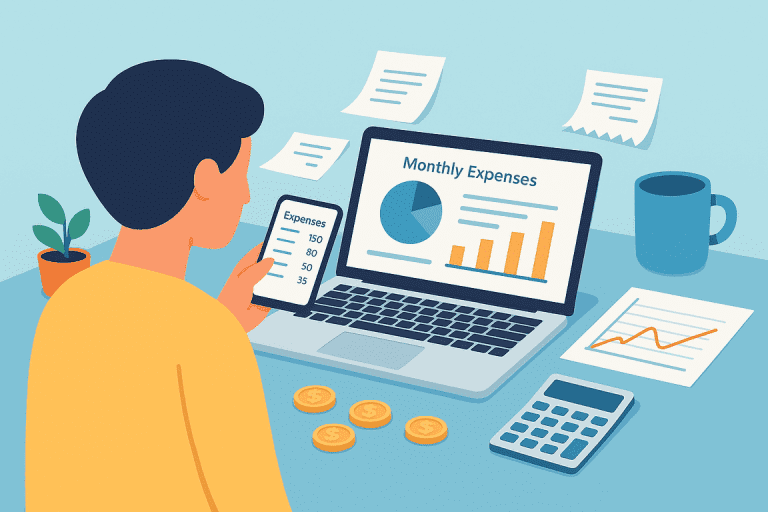
- Track your spending with budgeting apps
- Prioritize savings over short-term indulgence
7. Plan for Healthcare Costs
Retiring at 60 means you won’t qualify for Medicare until 65. You’ll need to bridge the gap with private insurance, COBRA coverage, or marketplace plans.
Estimate healthcare costs and include them in your retirement budget. Consider a Health Savings Account (HSA) if you have access to one—it offers tax advantages and can be a great tool for retirement healthcare expenses.
8. Create a Withdrawal Strategy
Once you retire, you’ll need to generate income from your savings. Planning how and when to withdraw is just as important as saving.
Common strategies include:
- The 4% rule: Withdraw 4% of your portfolio in the first year of retirement, adjusted for inflation each year after.
- Bucket strategy: Divide savings into short-, medium-, and long-term buckets to manage risk and liquidity.
- Social Security timing: While you can start Social Security as early as 62, delaying it boosts your monthly benefit. Decide based on your other income sources and health.
9. Prepare Mentally and Emotionally
Retirement isn’t just a financial transition; it’s a lifestyle change. Make sure you’re ready for:
- A shift in identity and purpose
- More free time
- Potential changes in relationships or social circles
Stay active, volunteer, take up hobbies, or start a passion project to stay fulfilled.
10. Review and Adjust Regularly
Life circumstances change—so should your retirement plan. Review your savings rate, investment performance, expenses, and goals annually.
If you’re off-track:
- Increase your savings rate
- Delay retirement a few years
- Adjust lifestyle expectations
If you’re on track or ahead:
- Consider retiring earlier
- Explore phased retirement
- Reevaluate your legacy and charitable giving goals
Final Thoughts
Retiring at 60 is absolutely within reach with the right mindset and habits. It requires discipline, intentional planning, and regular course corrections. Start by defining your ideal retirement, calculate your target number, invest consistently, and stay focused on your long-term vision.
Remember: the earlier you start, the more flexibility and freedom you’ll have later. But even if you’re starting late, it’s not too late to make impactful changes.
Your future self will thank you for the planning you do today. So take the first step, set your goals, and begin building the retirement you deserve.




Leave a Comment