

If you’ve ever invested money—whether in stocks, crypto, real estate, or even NFTs—you’ve probably heard the golden rule: “buy low, sell high.” It’s the core principle behind making a profit. Yet, surprisingly, many investors do the exact opposite: they buy high and sell low. This behavior isn’t just a newbie mistake. Even experienced investors fall into the trap.
So why do we do it? And more importantly, how can we avoid it? In this post, we’ll explore the psychology behind this counterproductive pattern, unpack real-world examples, and share strategies to help you stick to smarter investment habits.
What Does “Buy High, Sell Low” Really Mean?
“Buy high, sell low” is a phrase used to describe an all-too-common investing mistake where people purchase assets when prices are soaring—typically driven by hype, fear of missing out (FOMO), or media buzz—and then panic sell when the market dips. Instead of gaining from long-term appreciation, they lock in losses by exiting at the worst possible time.
This behavior is emotionally driven and often stems from a lack of discipline, education, or a solid investment strategy.
Why It Happens: The Psychology Behind the Pattern
1. Herd Mentality
Humans are social creatures. When we see others jumping on an opportunity, we tend to follow. In investing, this often manifests as buying into “hot” stocks or sectors just because everyone else is doing it.
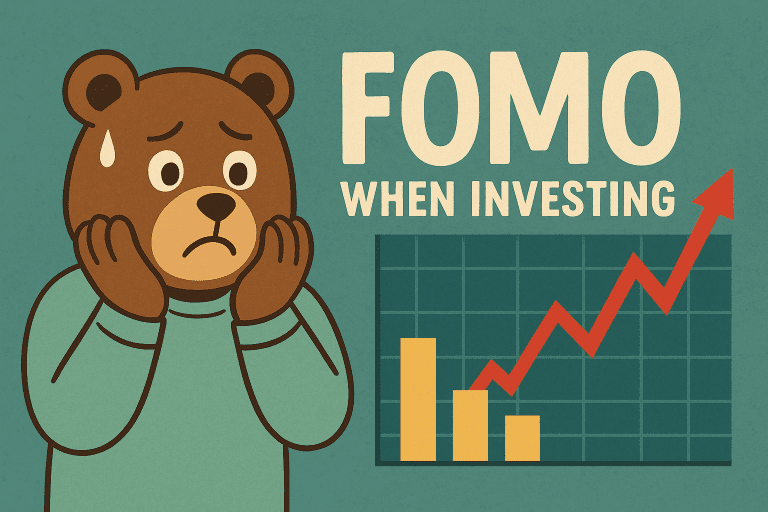
2. FOMO (Fear of Missing Out)
When prices are rising fast and media headlines are glowing, it’s easy to feel like you’re missing a once-in-a-lifetime opportunity. So you jump in late—just as the peak is forming.
3. Panic and Loss Aversion
When markets drop, especially sharply, fear sets in. Instead of viewing a dip as a potential buying opportunity, many investors panic and sell to avoid further losses, even if their investment thesis is still valid.
4. Recency Bias
People often assume that recent performance will continue. If a stock has been rising, they expect it to keep rising. If it has been falling, they fear it will keep falling. This mindset leads to irrational decisions.
Real-Life Examples of Buy High, Sell Low
The 2008 Financial Crisis
Before the crash, real estate was booming. People were buying homes they couldn’t afford, and investors were pouring money into mortgage-backed securities. When the bubble burst, prices plummeted, and panic selling ensued. Many who bought at the peak sold near the bottom, missing the eventual recovery.
Bitcoin in 2017-2018
Bitcoin soared to nearly $20,000 in December 2017. Latecomers jumped in, hoping to ride the wave. But the market crashed, and by early 2018, Bitcoin had lost more than 80% of its value. Many sold out of fear and regret, only to watch it climb again years later.
The COVID-19 Crash of 2020
In March 2020, markets dropped sharply amid fears of a global recession. Many investors panic-sold their portfolios. However, markets rebounded strongly in the months that followed. Those who held on, or even bought during the dip, saw significant gains.
The Cost of Emotional Investing
Buying high and selling low doesn’t just hurt your portfolio short-term. It compounds over time. Missing out on market rebounds, locking in losses, and frequently switching strategies can erode returns and confidence.
Studies have shown that the average retail investor significantly underperforms the market. According to a Dalbar study, this underperformance is often due to poor market timing decisions—exactly the kind that result from buying high and selling low.
How to Break the Cycle
1. Have a Long-Term Plan
Investing isn’t about getting rich quick. Define your goals, time horizon, and risk tolerance. Stick to a strategy that aligns with your objectives.
2. Use Dollar-Cost Averaging
By investing a fixed amount at regular intervals, you reduce the impact of volatility and avoid the temptation to time the market.
3. Diversify Your Portfolio
Diversification helps spread risk. When one asset class underperforms, others may offset the losses.
4. Stay Educated
Understanding market cycles, historical data, and investment fundamentals can help you keep a cool head during turbulent times.
5. Control Your Emotions
Mindfulness and self-awareness go a long way. If you feel the urge to buy because everyone else is, or to sell because of fear, pause and ask: what would a long-term investor do?
6. Automate When Possible
Use automated investing platforms or robo-advisors that can implement strategies without the emotional interference of a human.
Final Thoughts
“Buy high, sell low” is a painful yet common investing mistake. But with awareness, discipline, and the right tools, you can avoid this trap. Remember, investing isn’t about following the crowd or reacting to headlines. It’s about making informed, intentional decisions that serve your financial future.
So the next time markets surge or plunge, take a breath. Stick to your plan. And remember: wealth is built by buying low, staying invested, and thinking long-term.
Have you ever caught yourself buying high or selling low? What did you learn from the experience? Share your story below—your insight could help someone else avoid the same mistake.




Leave a Comment