
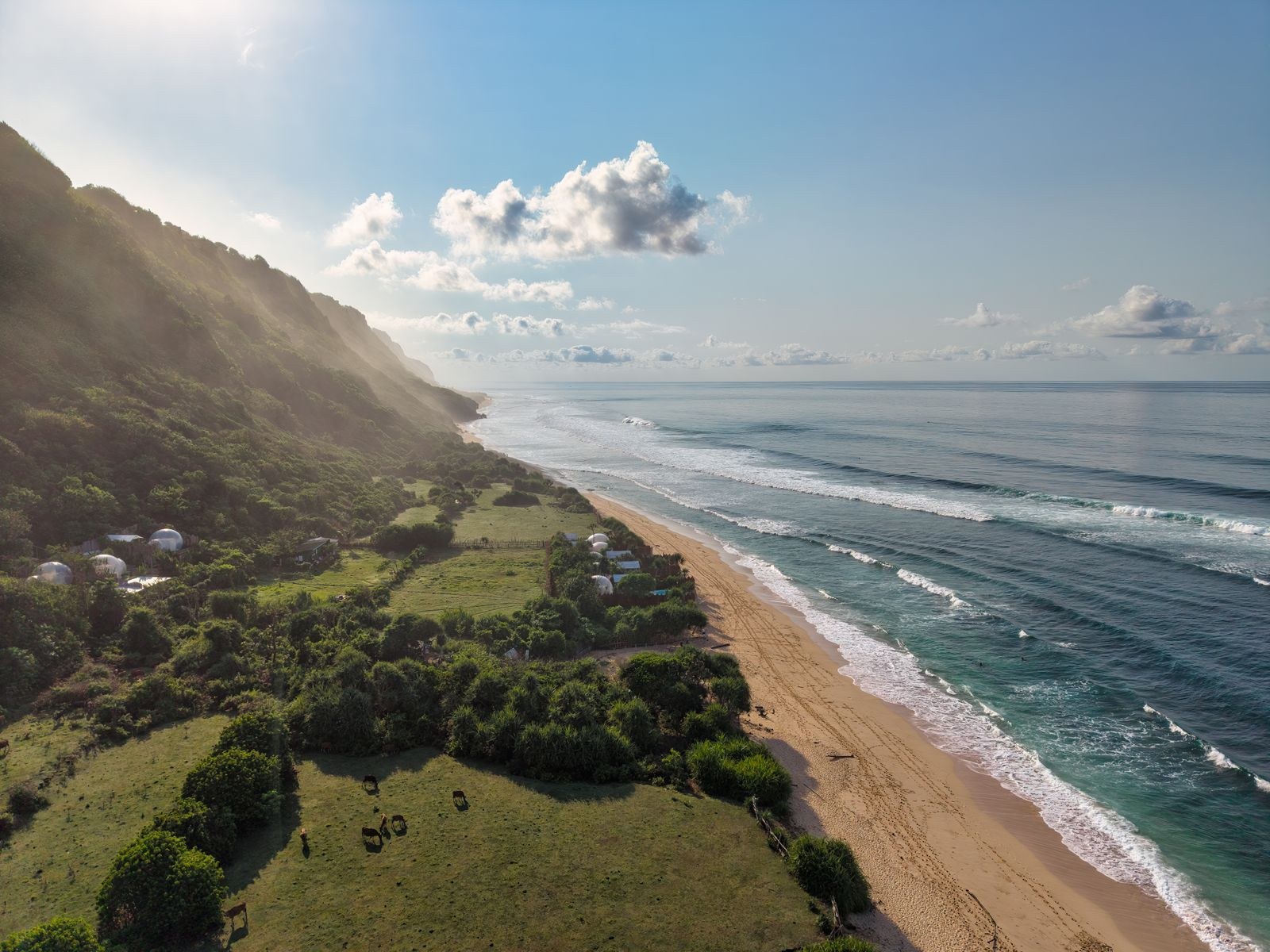
Searching for the best countries to retire in Asia, the best places to retire in Asia, or the cheapest places to retire in Asia usually means the same practical question: where can a US retiree stretch savings without giving up healthcare access, a workable visa path, and day-to-day quality of life?
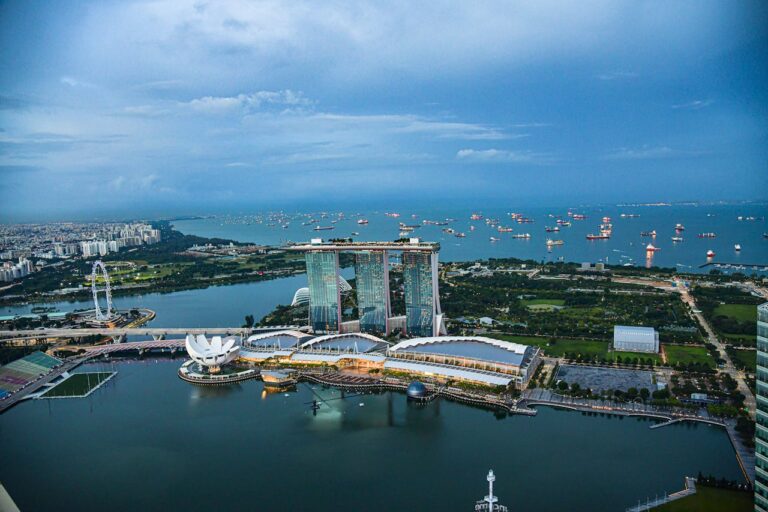
Quick answer: For most US readers, the shortlist that keeps coming up is Thailand, Malaysia, Vietnam, the Philippines, and Indonesia (especially Bali). None is universally “best.” Thailand and Malaysia usually win on private healthcare depth and expat infrastructure. Vietnam and the Philippines often win on daily living costs. Bali wins on lifestyle and wellness scenes but can cost more than Indonesia’s national averages suggest, and its retirement visa requires a sponsor. Singapore is a useful high-cost contrast (excellent systems, much higher budgets) — see How Much Do I Need to Retire at 40 in Singapore? if that is your comparison point.
This page is written for a United States audience. It is general education, not personalized immigration, tax, medical, or financial advice. Visa fees, deposits, and insurance rules change, so verify with the official sources linked below (and a qualified advisor) before you relocate. Visa, tax, and cost figures in this article were last checked on October 2, 2026.
Why Asia shows up on so many retirement shortlists
US retirees look at Asia for a few durable reasons:
- Purchasing power: Everyday costs for food, transport, and (outside the hottest tourist zones) rent are often far below major US metros.
- Private healthcare hubs: Bangkok, Chiang Mai, Kuala Lumpur, Penang, Manila, and Cebu have well-known private hospital systems used by locals and medical travelers.
- Climate and lifestyle variety: Beach towns, mountain cities, food culture, and established expat communities exist in the same region.
- Retirement-oriented visa products: Several countries run named long-stay programs for older foreigners (others do not — Vietnam is the clearest example).
Asia is not “set and forget.” Currency swings, visa renewals, air quality in some cities, flood/typhoon seasons, and the reality that US citizens remain US tax persons abroad all matter. If your retirement plan is still being built in the US first, pair this page with The FIRE Movement Explained, Social Security Full Retirement Age, and How Much Emergency Cash Should an Early Retiree Keep?.
How to read “cost of living” numbers (important)
Crowd-sourced indexes are useful for relative comparisons, not a personal budget. Numbeo’s country summaries (pages checked October 2, 2026; Numbeo’s own “last update” dates ranged from September 26 to October 1, 2026) estimate monthly costs excluding rent roughly as follows for a single person / family of four, with the percentage comparisons against the United States:
- Thailand: about $590 / $2,150 (cost of living ~48% lower than the US; rent ~66% lower)
- Malaysia: about $528 / $1,924 (cost of living ~52% lower; rent ~77% lower)
- Vietnam: about $437 / $1,578 (cost of living ~61% lower; rent ~73% lower)
- Philippines: about $505 / $1,793 (cost of living ~59% lower; rent ~80% lower)
- Indonesia: about $409 / $1,451 (cost of living ~65% lower; rent ~79% lower)
These are crowd-sourced averages that move week to week. Add rent, private health insurance, flights home, and visa costs on top. Tourist-heavy pockets (Phuket beachfront, Bali’s most popular areas, parts of Manila/Makati) can cost far more than national averages suggest. Rather than trusting a single “all-in” number from any website, build your budget bottom-up from real rent listings and insurance quotes for the specific city, then stress-test it for currency swings.

The top 5 countries to retire in Asia (same shortlist, sharper facts)
1. Thailand — balanced healthcare, lifestyle, and a named retirement visa
Thailand remains the default “all-rounder” for many Western retirees: strong private hospitals, deep expat infrastructure, excellent food, and both inland (Chiang Mai) and coastal (Hua Hin, Phuket) options.
Cost snapshot: Numbeo’s national single-person figure excluding rent is about $590/month. Its Chiang Mai city page shows about $538/month excluding rent, while Bangkok and beach resorts often run higher.
Healthcare: Private hospitals in Bangkok and Chiang Mai are a big reason Thailand is widely known as a medical-tourism destination, and English is commonly used at major private facilities. Still budget for international-capable insurance; do not assume a tourist clinic visit equals long-term coverage for chronic care.
Retirement visa outline (verify before applying):
- Who it is for: The Non-Immigrant O-A (Long Stay) visa is for foreigners aged 50+ who will not work in Thailand. Employment of any kind is prohibited.
- Financial test (Thai Ministry of Foreign Affairs O-A page): a deposit of at least 800,000 THB, or income of at least 65,000 THB per month, or a combination of deposit plus annual income totaling at least 800,000 THB. The MFA page lists criminal-record and medical certificates, and 90-day reporting after arrival. The MFA page itself was last updated in November 2022, so confirm the details with the consulate handling your file.
- Health insurance: Thai embassy O-A pages and the MFA’s March 2024 document checklist require insurance for the whole stay covering general illness (including COVID-19) with a sum insured of at least USD 100,000 or 3,000,000 THB per policy year. Policies from foreign insurers need the signed Foreign Insurance Certificate. Older figures of 40,000 THB outpatient / 400,000 THB inpatient still appear on some consular pages and in the O-X checklist, so ask the consulate which standard applies to you.
- How to apply: Several Thai embassies now direct O-A applicants to the online e-Visa system (thaievisa.go.th) rather than in-person or postal filing. Visa fees vary by embassy.
- Other routes: Thailand also offers a longer O-X long-stay visa for those 50+ with a higher financial bar and separate LTR categories for qualifying higher-income applicants. Some retirees instead use an annual retirement extension of stay inside Thailand. Rules differ by route, so compare them with official sources.
Best fit: Retirees who want strong private healthcare plus flexible city/beach choices and can meet the age 50+ financial and insurance tests.
Watch-outs: Hot-season air quality in the north; tourist-area rent inflation; employment is generally prohibited on retirement status.
2. Malaysia — English-friendly infrastructure and modern private care
Malaysia is often underrated in casual “cheap Asia” lists. English is widely used, and the country has modern infrastructure and well-regarded private hospitals. Penang and parts of the Klang Valley are frequent retiree shortlists; KL is more urban and variable on cost.
Cost snapshot: Numbeo’s national single-person costs excluding rent are about $528/month — competitive with Thailand, with rent far below US levels on Numbeo’s data.
Healthcare: Private hospitals and English-speaking clinicians are a major reason Malaysia appears on healthcare-sensitive shortlists.
Long-stay outline (Malaysia My Second Home, MM2H — verify with MOTAC): MM2H is run through the Ministry of Tourism, Arts and Culture (MOTAC) and its One Stop Centre. It is a capital-heavy program rather than a simple low-deposit “retiree visa.” Per MOTAC’s published category sheet and terms:
- Silver: fixed deposit of USD 150,000 in a Malaysian bank, compulsory purchase of a residence of at least RM600,000, 5-year renewable pass.
- Gold: fixed deposit of USD 500,000, residence of at least RM1,000,000, 15-year renewable pass.
- Platinum: fixed deposit of USD 1,000,000, residence of at least RM2,000,000, 20-year renewable pass.
- SEZ/SFZ route: fixed deposit of USD 65,000 (applicants aged 21–49) or USD 32,000 (aged 50+), 10-year renewable pass, with property priced per the special-zone development.
- Common rules: minimum age is 25 for Silver/Gold/Platinum (21 for SEZ/SFZ); the property purchase happens after approval and generally cannot be sold for 10 years (upgrading is allowed); up to 50% of the deposit can be withdrawn for specified purposes such as property purchase, medical, education, or tourism; one-off participating fees and processing fees apply; applicants under 50 must spend 90 days a year in Malaysia, while the MOTAC sheet lists no minimum stay for those 50+.
MOTAC says the offshore-income requirement was dropped for all categories. Terms are updated from time to time and applications must go through a licensed MM2H agent, so confirm current figures on the official MM2H guidelines page before committing money. Individual Malaysian states can also set their own minimum prices for foreign buyers, which may be higher than the national property floors above.
Best fit: Retirees who prioritize English-friendly daily life, modern infrastructure, and hospital access over rock-bottom prices, and who have the capital for MM2H (or who qualify for another long-stay pass).
Watch-outs: MM2H costs far more upfront than Thailand’s O-A or the Philippines’ SRRV Classic deposits; treat agent marketing carefully and verify every figure against MOTAC.
3. Vietnam — often the cheapest daily lifestyle, harder long-stay paperwork
Vietnam attracts retirees who want low daily costs, café culture, and coastal cities such as Da Nang / Hoi An, or urban energy in Ho Chi Minh City / Hanoi.
Cost snapshot: Numbeo’s national single-person costs excluding rent are about $437/month — among the lowest on this list.
Healthcare: Private care is improving in major cities, but many long-term foreigners still plan regional travel (Thailand, Malaysia, or Singapore) for complex procedures. Insurance shopping matters.
Visa reality (important): As of October 2026, we found no dedicated retirement visa in Vietnam comparable to Thailand’s O-A or the Philippines’ SRRV, either in official visa categories or in the legal and immigration guides we reviewed. Retirees commonly rely on renewable e-visas (up to 90 days per entry), which are visitor status rather than residency. A multi-year Temporary Residence Card generally needs a qualifying basis such as employment, a qualifying investment, or a family relationship with a Vietnamese citizen, each with real compliance work. Do not plan a permanent Vietnam retirement solely on repeated short entries without reading current Vietnam Immigration Department rules.
Best fit: Cost-focused retirees comfortable with more visa friction and “test years” before committing.
Watch-outs: Motorbike traffic risk; language barrier outside tourist/expat pockets; visa policy can shift.
4. Philippines — English advantage + a true retiree visa (SRRV)
The Philippines stands out for widely used English and a government retirement program run by the Philippine Retirement Authority (PRA): the Special Resident Retiree’s Visa (SRRV).
Cost snapshot: Numbeo’s national single-person costs excluding rent are about $505/month. Manila/Makati and some tourist islands cost more; Cebu and Dumaguete are frequently mentioned retiree hubs.
Healthcare: There are solid private hospitals in major cities, and many retirees choose housing partly based on hospital proximity. Typhoon and geographic-access planning matters for island living.

SRRV outline (from the PRA website; verify at pra.gov.ph): Principal applicants must be age 40+. The SRRV Classic visa deposit tiers published by PRA are:
- Age 50+ pensioner: USD 15,000 (proof of a lifetime pension of at least USD 800/month for singles, USD 1,000/month with dependents)
- Age 50+ non-pensioner: USD 30,000
- Age 40–49 pensioner: USD 25,000
- Age 40–49 non-pensioner: USD 50,000
PRA also lists a USD 1,500 processing fee for the principal, a USD 300 application fee per joining dependent, and an annual fee of USD 360 for the principal plus two dependents under SRRV Classic. An extra USD 15,000 deposit applies for each dependent beyond two. SRRV Courtesy categories (for example retired diplomats, certain retired military personnel, and former Filipinos) carry much lower deposits. PRA lists benefits including permanent residency in the Philippines, exemption from Bureau of Immigration annual reporting, and exemption from Philippine tax on pensions and annuities. That last benefit applies to Philippine tax only; it does not change your US filing obligations (see the tax section below). Fees and categories can change, so confirm current figures with PRA.
Best fit: US retirees who want English everywhere and a relatively clear, deposit-based retiree visa — including some younger early retirees (40+).
Watch-outs: Infrastructure quality varies sharply by location; weather risk; choose cities with medical access you trust.
5. Indonesia (Bali) — lifestyle magnet with more visa legwork
Bali (and a few other Indonesian locales) draws retirees seeking wellness culture, nature, and creative communities — Ubud, Sanur, and quieter pockets more than pure party tourism.
Cost snapshot: Indonesia’s national Numbeo single-person figure excluding rent is about $409/month, but Numbeo’s Bali city page shows about $582/month excluding rent. Rent in popular Bali areas can also run well above national averages, so budget with Bali-specific rent quotes, not Java averages.
Healthcare: Care is improving for routine needs; complex cases often mean flying to Jakarta, Singapore, or Thailand. Factor medevac-capable insurance.
Visa outline (verify on imigrasi.go.id):
- Retirement KITAS (E33F): a one-year limited-stay permit that requires an Indonesian sponsor. The Directorate General of Immigration’s E33F page lists proof of income or an allowance of at least USD 3,000 per month, plus three months of bank statements (in the applicant’s or sponsor’s name) showing at least USD 2,000. The listed government fee is Rp7,000,000 for the one-year stay, separate from any sponsor or agent fees. The E33F page we reviewed does not state a minimum age; the official E33E page and immigration-law guides give 55+ for retirement permits, but some agencies report differing age rules, so confirm with Indonesian immigration.
- Silver Hair visa (E33E): a sponsor-free permit of up to five years for those 55+ per the official E33E page. It adds a commitment to hold at least USD 50,000 in your own account at a state-owned Indonesian bank, along with the same USD 3,000/month income proof and USD 2,000 bank-statement evidence. The listed fee is Rp13,000,000.
- Practical friction: annual renewals and sponsor dependence on the E33F route, plus the capital commitment on the E33E route.
Best fit: Lifestyle-led retirees who accept higher Bali costs and more visa administration for the setting they want.
Watch-outs: Overtourism pushback in hotspots; scam/lease diligence on villas; do not underwrite the move on Instagram rent prices alone.
Which country fits which US retiree profile?
Use this as a matching tool, not a scorecard:
- Healthcare-first / lower paperwork anxiety: Start with Thailand or Malaysia.
- Lowest everyday spend / willing to accept visa friction: Look hard at Vietnam (and secondary Philippine cities).
- English-first + structured retiree visa + age 40–55 early retiree: Philippines SRRV is often the cleanest product on paper.
- Wellness / nature lifestyle and age 55+: Bali / Indonesia, with eyes open on rent, sponsor requirements, and insurance.
- Maximum systems quality, willing to pay Western-ish prices: Consider Singapore as a contrast case, not a “cheap Asia” pick.
If you are still accumulating in US markets before any move, keep the portfolio boring and global — see How to Build a Globally Diversified Investment Portfolio — and stress-test withdrawal assumptions beyond a slogan (Why the 4% Rule May No Longer Be Enough for Retirement).
US taxes if you retire in Asia (high-level, not advice)
Moving abroad does not end US citizenship-based taxation.
- Worldwide income: US citizens and resident aliens living abroad are generally taxed on worldwide income and file US returns much as if they lived in the US. See the IRS page: US citizens and residents abroad – filing requirements.
- FEIE is about earned income: The foreign earned income exclusion can exclude qualifying foreign earned income (wages, self-employment) up to an inflation-adjusted annual limit if you meet the tax-home and bona fide residence or physical presence tests. The IRS states that pension or annuity payments, including Social Security benefits, are not foreign earned income for this purpose, which matters for true retirees living on pensions, portfolio income, or benefits.
- FBAR: A FinCEN Form 114 (FBAR) is required if you have a financial interest in or signature authority over foreign financial accounts whose combined value exceeds $10,000 at any time during the calendar year. It is filed electronically with FinCEN, not with your tax return. See the IRS overview of FBAR.
- Form 8938 (FATCA): Separate from the FBAR, Form 8938 is filed with your return if your specified foreign financial assets exceed a higher threshold. Per the IRS comparison page, for individuals living outside the US the thresholds are more than $200,000 on the last day of the year or $300,000 at any time (unmarried), or $400,000 / $600,000 for joint filers. Check the current instructions each year. See FATCA information for individuals and the Form 8938 vs FBAR comparison.
- Capital gains and account choice still matter before you leave: Brush up with What Capital Gains Tax Rate Will You Pay in 2026?, Roth IRA vs Traditional IRA, and HSA contribution limits while you are still structuring US accounts.
Host-country tax residency, treaties, and local filing can also apply. Use a cross-border tax professional before you buy property or open large local accounts.
Healthcare, safety, and climate — practical filters
Healthcare
- Prefer cities with at least one internationally oriented private hospital.
- Buy insurance that covers inpatient care where you live (and evacuation if local tertiary care is thin).
- Get chronic-condition medication continuity plans before you move.
Safety
- For many retirees, traffic accidents (especially on motorbikes) and petty theft are among the more common practical risks, though conditions vary a lot by city.
- Check US State Department travel advisories and local expat reporting for the specific place you are considering.
Climate
- Tropical heat and humidity are year-round in much of Southeast Asia.
- Monsoon and typhoon exposure is material in the Philippines and parts of Vietnam; haze seasons can affect northern Thailand; Bali has distinct wet and dry seasons.
- Visit for several weeks in the “worst” season for that city before signing a year lease.
FAQs
What are the best countries to retire in Asia for Americans?
For most US readers, the practical shortlist is Thailand, Malaysia, Vietnam, the Philippines, and Indonesia (Bali). “Best” depends on whether you optimize for healthcare (Thailand/Malaysia), English plus a dedicated retiree visa (Philippines), low daily costs (Vietnam/parts of Indonesia), or lifestyle setting (Bali).
What is the cheapest place to retire in Asia?
On Numbeo’s national summaries as of early October 2026, Indonesia and Vietnam show the lowest single-person costs excluding rent among this top five. But cheap national averages can hide expensive tourist pockets (Bali especially). Always quote rent + insurance for the specific city.
Does Vietnam have a retirement visa?
We found no dedicated retirement visa as of October 2026. Long stays usually rely on e-visas, family routes, or investment/business pathways. That is the main trade-off versus Thailand, Malaysia, and the Philippines.
What visa do US retirees use in Thailand?
Many use the Non-Immigrant O-A long-stay visa (age 50+; financial test of 800,000 THB, 65,000 THB/month, or a combination; and health insurance of at least USD 100,000 or 3,000,000 THB). Confirm current rules with the Thai MFA or the consulate handling your file. Some retirees evaluate the O-X or LTR products instead.
Is the Philippines SRRV worth it?
For retirees who want English and a deposit-based residency product, the SRRV is one of the clearest programs in the region. Deposit tiers depend on age and pension documentation; verify fees and categories on pra.gov.ph.
Will I still pay US taxes if I retire in Asia?
Generally yes, you remain in the US tax system as a citizen. The FEIE applies to foreign earned income, not pensions or Social Security. FBAR and Form 8938 reporting may also apply. Read the IRS international taxpayer pages and get advice for your facts.
Should I buy property overseas right away?
Often no for year one. Rent first, confirm visa renewability, hospital access, and whether you actually like rainy-season living. Property ownership rules for foreigners vary widely by country and are easy to get wrong (Malaysia’s MM2H, for example, makes a property purchase compulsory after approval).
Practical next steps before you book a one-way flight
- Spend 3–8 weeks on the ground in your top two cities (not only vacation weather).
- Price international health insurance with your age and pre-existing conditions.
- Map a visa path from official sources (Thai MFA O-A page; PRA SRRV; MM2H guidelines on mm2h.gov.my; Indonesia’s immigration e-visa portal; Vietnam Immigration Department).
- Build a USD budget with rent, insurance, flights home, and a buffer for FX swings.
- Get a US cross-border tax checkup covering FEIE applicability, FBAR/Form 8938, and Social Security claiming timing (SSA full retirement age guide).
- Keep the investment engine boring while you experiment with geography — diversification still matters (globally diversified portfolio).
Bottom line
The best countries to retire in Asia for US readers are less about a viral ranking and more about matching visa durability, healthcare access, and honest all-in costs to your age and risk tolerance. Thailand and Malaysia remain the balanced default (with very different upfront capital requirements). Vietnam is often cheapest day-to-day but has no retirement-specific visa. The Philippines couples English with a real SRRV product. Bali delivers lifestyle — with a sponsor requirement and a cost premium versus Indonesia’s averages.
Visit first. Verify visas on official sites. Keep US tax compliance in the plan from day one. Then choose the country that fits the life you will actually live — not the one that photographs best.




Leave a Comment