
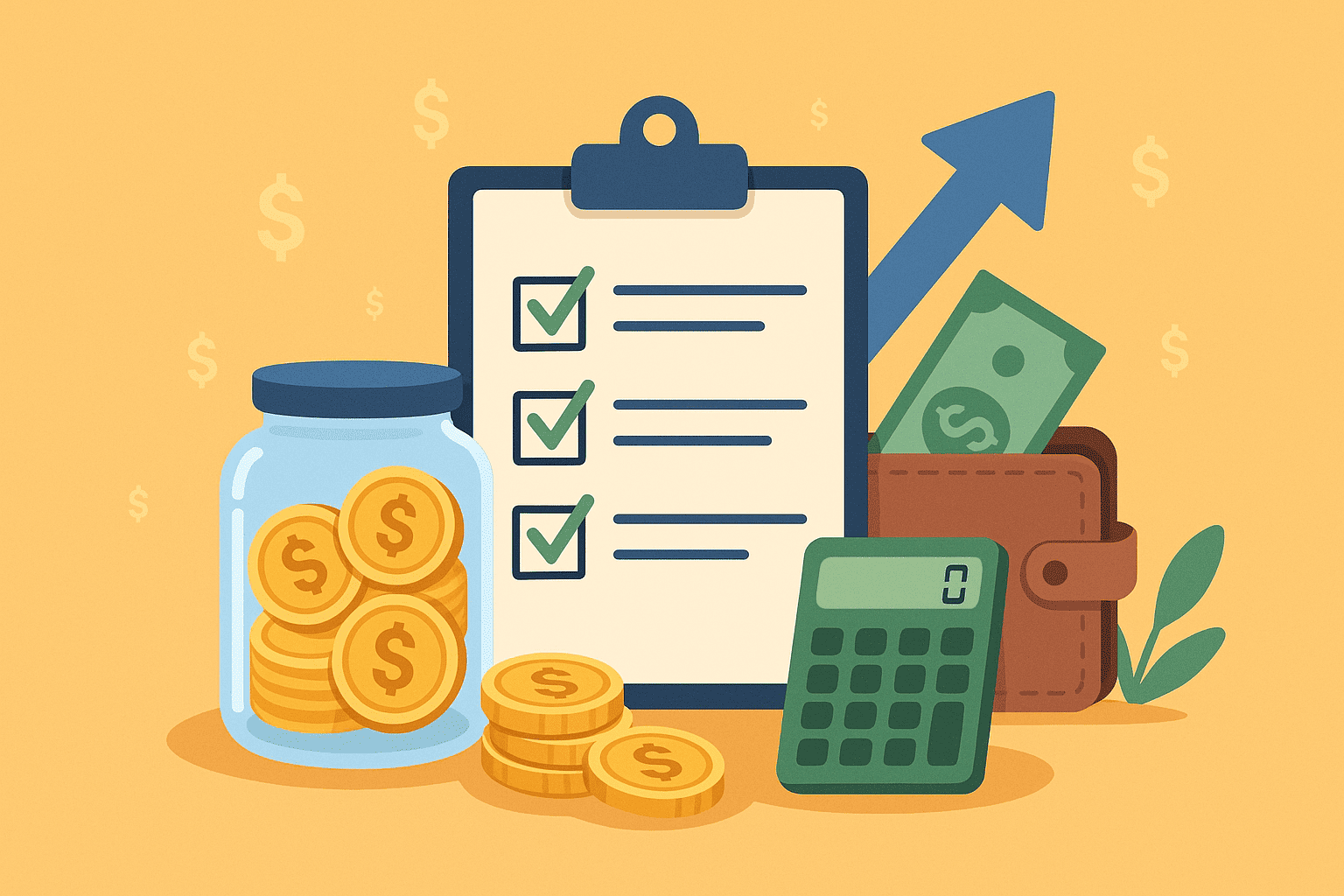
Saving money is one of the most talked about yet least practiced habits of all time. We all get pumped up, thinking we’ll stick to a strict budget, make those extra $5 calls, or download that fangled budget app. But no one ever wants to do it for long, or by the end of the day, we all have forgotten about all the new apps and ways we’ll start saving.
In this post, I want to share the 10 best ways to save money in 2026 that are not only actionable but realistic and sustainable, no matter your income.
10 Best Ways to Save Money in 2026
I have compiled the top 10 best ways to save money in 2026. These are tips are all tried and true. Meaning, I have personally put each and every one of them into practice in the last two years, and have helped many of you to implement and change your lives around as well.
Create a Zero-Based Budget
The best way to save money is to assign every dollar you earn in a month to a specific use or bill.
The only difference between a person who struggles to save and someone who doesn’t, is in how they think about their money.
So, by making sure every single penny has a purpose and to where it’s going, you’ll inevitably see and feel the difference in how much you’re actually spending.
No more letting that leftover money magically disappear each month. It gets put towards savings, debt or investments.
Some helpful apps to try using for this include YNAB or just a simple spreadsheet.
Automate Your Savings
Let’s be real. Most of us never will or can consistently remember to move money around and into a savings account, every payday.
Automation is one of the best and simplest ways to save money effectively.
Set up those automated savings transfers from your checking account to a high yield savings account, or even an investment account, on payday and let that money just go. Think of it like paying yourself first before anything else.
It removes the temptation to spend before saving, and forces you to be disciplined with what’s left. It may not seem like much, but before you know it, those little bits of money over time will start to snowball into something much more.
Track and Cut Back on Recurring Subscriptions
How much do you really need to be subscribed to, per month?
Streaming services, gym memberships, apps, online subscriptions, you name it, there’s a monthly membership out there for it.
Take a few hours and do a subscriptions audit. Cancel things you no longer use, downgrade to cheaper plans, and ask yourself if you really need the extra.
Trimming even a couple of those subscriptions a month could save you hundreds each year.
Cook at Home Instead of Eating Out
Food is one of the easiest areas to overspend, but thankfully, it’s also one of the simplest to curb.
Saving money by cooking at home doesn’t have to mean boring meals and bland food.
Take the time to plan, prep, and batch cook on the weekends. Try meal prep services, or invest in some quick, go-to recipes. It’s amazing how much money you can save when you eat in, instead of out.
The 24-Hour Rule
Impulse purchases are one of the biggest obstacles in the way of saving and changing financial habits.
A simple way to combat that, is the 24 hour rule. That means, anytime you feel the urge to make a purchase that is unnecessary or outside your budget, just wait 24 hours.
You’ll often find you no longer want the item or experience the same need, and that 24-hour period will have given you some much needed time to think more rationally about your money.
This is one of the best money saving tips.
Pay Yourself First
Saving is something most people treat like an afterthought or a last resort.
I’d challenge you to flip that mindset on its head. Before you pay anything else, you pay yourself first. What percentage of your income gets put directly towards savings or investments?
Pay yourself first and you will always make that progress.
Shop Smarter: Discounts, Coupons, and Cashback Apps
Another great way to save money in 2025 is to use discounts, coupons, and cashback apps.
I have personally saved thousands over the years by clipping coupons, and taking the time to look for sales and promo codes. Apps like Rakuten or Honey will automatically search for those discounts for you while you shop online, and most credit cards have their own cashback programs you can enroll in, as well.
The key here, is to not overshop or buy things you don’t need, simply because there’s a sale going on. Instead, stick to a shopping list, look for those extra discounts or coupons along the way, and just enjoy the savings.
Reduce Energy and Utility Costs
Saving money is not just about cutting back on wants. It can also be about being more efficient with your necessary expenses.
Saving money by cutting down on energy and utility costs is an effective one.
Energy efficiency is better for the environment, and it’s also much better for your wallet in the long run. Simple habits like turning off lights, using LED bulbs, unplugging electronics when not in use, or lowering your thermostat can add up to big savings over time.
Plus, with some energy rebates available on certain home upgrades, energy efficiency is one of the best ways to save money on a long-term basis, as well.
Buy Quality, Not Quantity
Sometimes, the best way to save money is to spend a little more up front.
Buying cheap can be a tempting way to save money in the moment. But often, that cheap item will not last as long, and you will end up having to buy a replacement, or similar product sooner, rather than later. And ultimately, that ends up costing you much more.
Invest in quality items that will last, and you will find you don’t need to buy as often. Shoes, cookware, electronics, clothes. The list goes on.
Mindful consumerism is one of the most effective money-saving habits there is.
Set Clear Savings Goals
Saving for the sake of saving is pointless.
Having clear, specific and measurable financial goals is the best and most important tip on this list. Why are you saving? What for? Why that specific number?
Goals like building an emergency fund, saving for a vacation, a down payment on a home or a car. Make those your north star. Save towards them. Break them up into smaller milestones and celebrate those wins.
Saving for a concrete, clear goal will make saving tangible, rewarding and one of the best ways to save money in 2026.
Final Thoughts
Forming new financial habits can be challenging, but it’s important to stick with it. With the right tools and techniques, you can form long-term and sustainable habits. And by having a zero-based budget, automating your savings, and setting clear and achievable goals, you will already be on the path to creating that positive momentum.
Saving money and changing your financial habits does not have to be a chore, or a punishment. It can be something that you get excited about and looks forward to every day. Just remember, small steps over time, will snowball into greater and more impactful changes later.
There is no one-size-fits-all approach to saving money and forming financial habits that work best for you and your income level. Stick to the best 10 tips on this list that make the most sense to you, your lifestyle, and your long-term goals.
Start with small changes, be consistent and watch your financial future transform.
If you need help staying motivated, check out the BearSavings tools. The Daily Savings Tips offer a one easy and simple, actionable way to save every day. The Savings Challenges make saving fun and rewarding, just what you need if you feel like that extra push is required. With the Savings Tracker, you can keep a real-time view of your progress, and stay accountable along the way.
Saving money and forming financial habits is easier with the right support. Small steps do add up, and with these resources and guides, you’ll be surprised at how much you can save in one year.


Leave a Comment